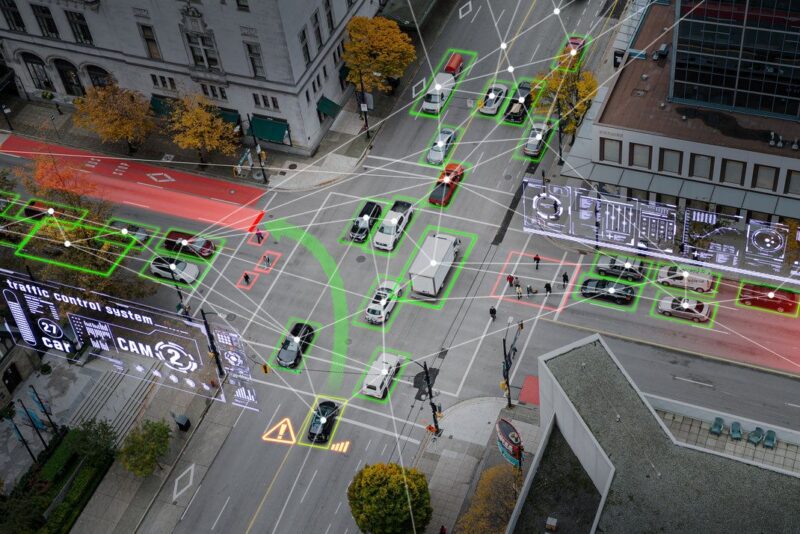
Every second, millions of tiny computers scattered across cities make decisions that affect daily life. These edge devices work quietly on street corners, inside buildings, and along highways.
Unlike massive data centers miles away, edge devices process information right where things happen. They’re changing how infrastructure works from the ground up.
What Edge Devices Actually Do
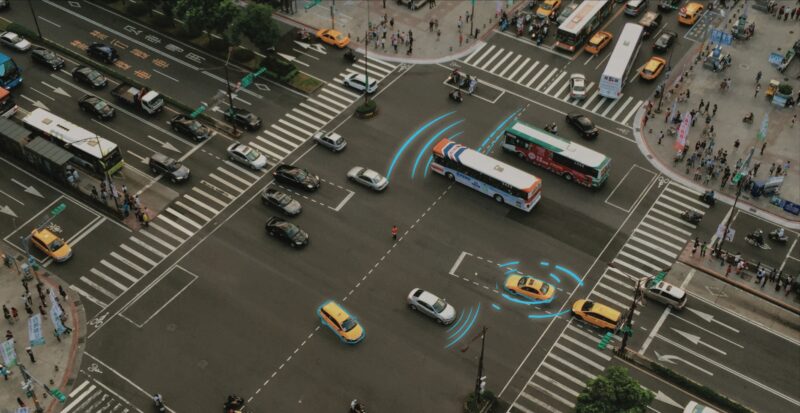
Edge devices are small computers that handle data on the spot. A traffic camera doesn’t send video to a distant server for analysis.
It counts cars itself and immediately tells traffic lights what to do. A water meter doesn’t wait for permission to flag unusual flow. It spots the leak and alerts repair crews instantly.
Speed is what matters. Waiting for a distant computer to assess the risk from a parking garage sensor detecting carbon monoxide is a waste of valuable time.
The edge device instantly activates ventilation fans. Seconds matter in emergencies.
These devices also save bandwidth. Raw video from thousands of security cameras would clog any network.
Edge devices filter out the boring stuff. When something significant takes place, they send important clips. This is also true for temperature sensors, vibration monitors, and many other devices.
Routine tasks are managed on-site, with the main system only contacted when needed.
Processing Power Where It Counts
Traditional infrastructure sends everything to a central computer for processing. That worked when cities had fewer sensors and slower response requirements.
Today’s demands are different. Modern cities generate too much data to ship it all elsewhere for analysis.
Edge computing spreads intelligence throughout the infrastructure. Streetlights with built-in processors adjust brightness based on local conditions.
They don’t need permission from headquarters to dim when nobody’s around. Bridge sensors analyze vibration patterns themselves, looking for signs of structural problems. They know what’s normal and what’s concerning without constant supervision.
This distributed intelligence makes systems more reliable, too. If the main network goes down, edge devices keep working.
Traffic lights still respond to actual traffic. Security systems still detect intrusions. Water pumps still maintain pressure. The city keeps functioning even when parts of the network fail.
Building Smarter Cities
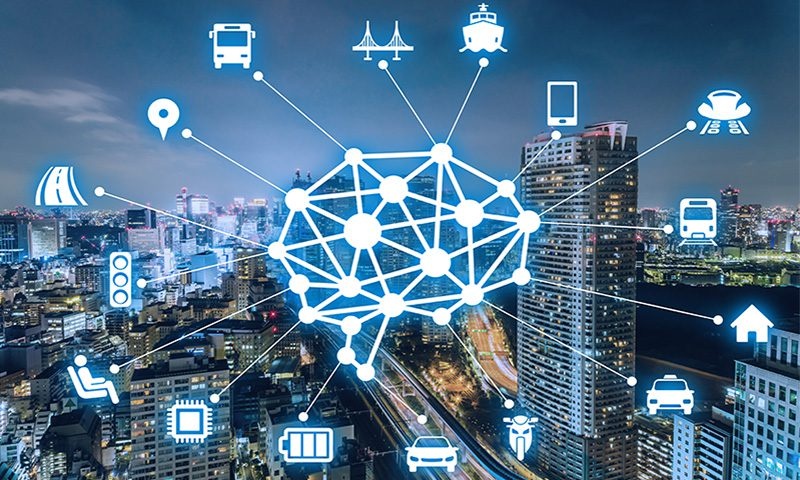
Edge devices are crucial for smart city IoT solutions, managing the huge data streams from urban sensors. Blues IoT creates edge computing systems designed for local data processing and network connectivity. Their devices help cities monitor air quality on every block without overwhelming central servers.
Noise sensors identify problems instantly rather than recording everything for later review. Waste management systems optimize collection routes in real time as bins fill up throughout the day.
Edge devices also protect privacy better. Facial recognition cameras can count people without storing faces.
License plate readers can track traffic flow without keeping permanent records of who went where.
Processing happens locally, and only statistics move upstream. Personal information stays out of central databases where hackers might find it.
Weather monitoring shows edge computing’s strength perfectly. Sensors detect microclimate conditions that affect specific neighborhoods.
Ice forms on certain bridges before others. Some intersections flood faster during storms. Edge devices spot these local hazards and trigger warnings immediately.
Drivers get alerts about dangerous conditions ahead, not generic city-wide warnings that might not apply to their route.
Conclusion
Edge devices bring computing power to the exact spots where cities need intelligence. They make instant decisions, reduce network traffic, and keep working even when connections fail.
These small computers transform dumb infrastructure into responsive systems that adapt to changing conditions immediately.
As cities add more sensors and demand faster responses, edge devices become more critical.
They’re the local brains that make smart cities actually smart, processing the flood of urban data right where it matters most.