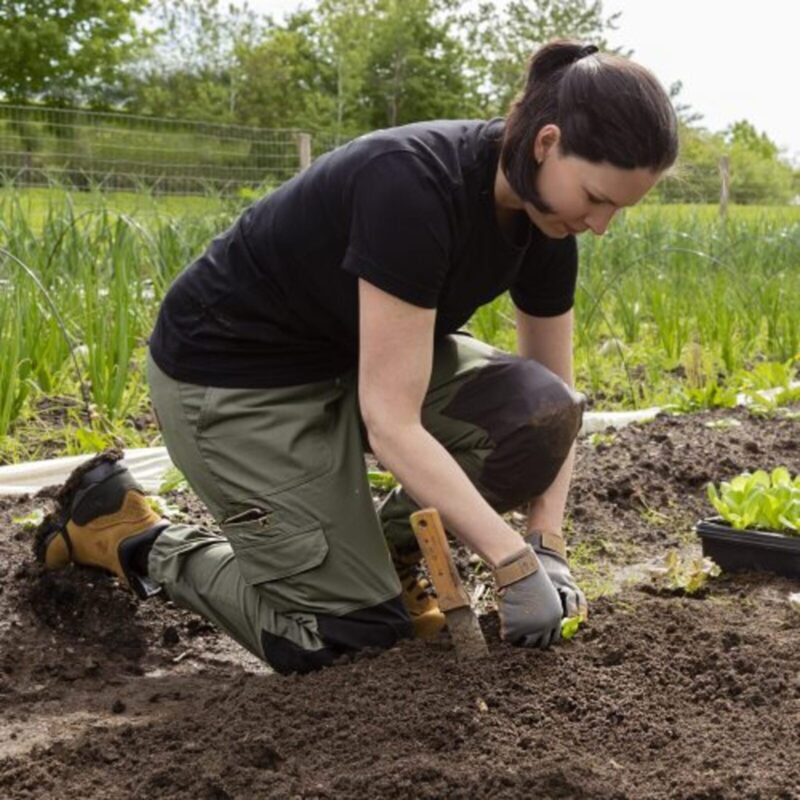
Outdoor work often means wet grass, muddy soil, sudden showers, and hours of movement. The right waterproof pants keep you dry, reduce rubbing, and protect against abrasion while letting you bend, kneel, and lift comfortably. This guide covers what matters most when buying work ready waterproof pants.
What Waterproof Work Pants Need to Handle
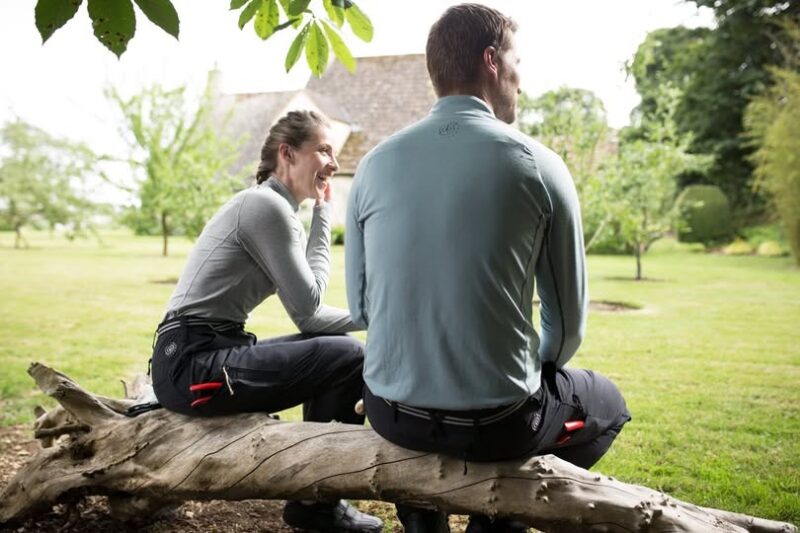
Waterproof pants must do more than block rain. Fully waterproof materials use a membrane or coating that stops water, while water resistant fabrics only repel light moisture. Sealed seams matter because stitching holes can leak, especially when you kneel. Reinforcement at the knees and seat helps resist tearing from rocks, fencing, and concrete. For heavy duty conditions, tough all-weather oilskin pants are a proven option, combining strong water protection with excellent abrasion resistance.
Fit is crucial. A slightly relaxed cut allows layering in cold weather, and articulated knees improve mobility. Look for adjustable cuffs that close over boots to keep water and debris out, plus a secure waistband that stays put when you crouch.
Materials, Breathability, and Comfort in Real Use

Waterproofing is only half the story. When you are active, breathability prevents sweat buildup that can leave you damp. Many modern pants use breathable membranes that vent moisture vapor while blocking liquid water. Vent zips along the thighs can add airflow during warmer days. For lighter tasks like pruning, a softer fabric may feel better than a stiff shell.
Oilskin and waxed cotton styles excel in durability and wind protection, and they can be reproofed to restore performance. They may feel warmer, so consider your climate and how hard you work. Lightweight synthetic shells pack smaller and dry quickly, but they often need knee panels for long term abrasion. Check waistband comfort, suspenders compatibility, and pocket placement, since tools and gloves should be easy to reach.
Features That Make Outdoor Jobs Easier
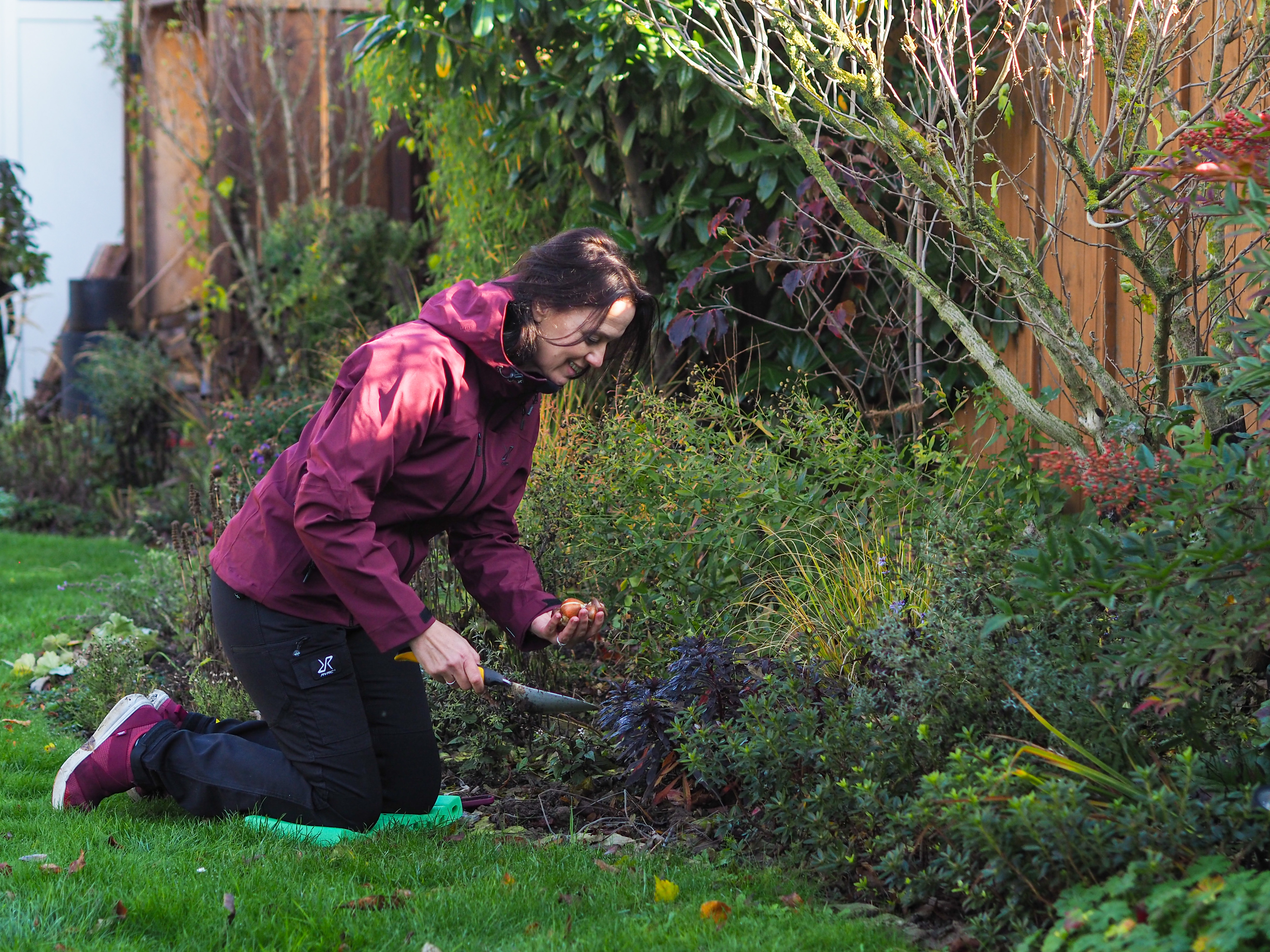
Details decide whether work pants feel helpful or frustrating. Choose pockets that suit your routine, such as a secure phone pocket, a deep front pocket for fast access, and a cargo pocket for twine, tape, or seed packets. Reinforced belt loops help if you carry a holster or pruners. A double layer knee area is valuable even without kneepads because it reduces wear when you kneel repeatedly.
Also think about safety. Reflective accents help near roads or in low light. If you work around livestock or machinery, avoid loose straps that could catch. For irrigation work, cuff tabs that seal around boots are useful. Review care requirements. Some coatings wear down with washing, while oilskin can be maintained for years.
Conclusion
The best waterproof pants balance water protection, breathability, and toughness. Prioritize sealed seams, durable knee and seat areas, and a fit that supports movement and layering. Match the material to your climate and workload, then pick features that suit your daily tasks. With the right pair, you can stay dry, comfortable, and productive through changing weather and messy jobs.