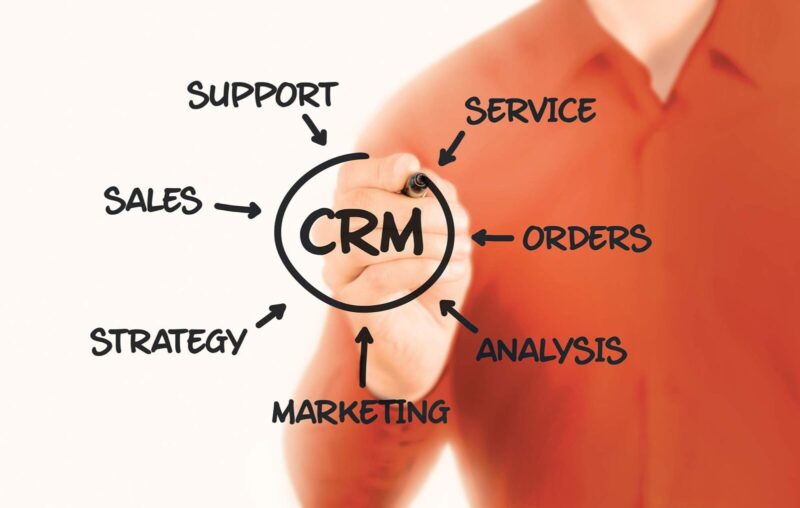
Managing multiple travel clients without a proper system quickly becomes overwhelming. Emails get lost, deadlines are missed, and important preferences are forgotten. That is where a CRM comes in. A Customer Relationship Management system helps travel professionals stay organized, deliver better service, and grow their business without added stress. When used correctly, a CRM becomes the backbone of a successful travel operation.
What a CRM does for travel professionals

A CRM is more than a digital address book. It is a central place where all client information lives. This includes contact details, travel preferences, passport data, booking history, payment deadlines, and communication notes. Instead of searching through emails or notes, everything is accessible in one place.
For a growing travel agency, a CRM ensures consistency. Every client receives the same level of service, even as volume increases. It also reduces errors, which is critical in travel where small mistakes can have big consequences.
Most CRMs allow you to attach documents, log conversations, and set reminders. This turns client management into a structured process rather than a reactive one.
Using CRM workflows to stay on track
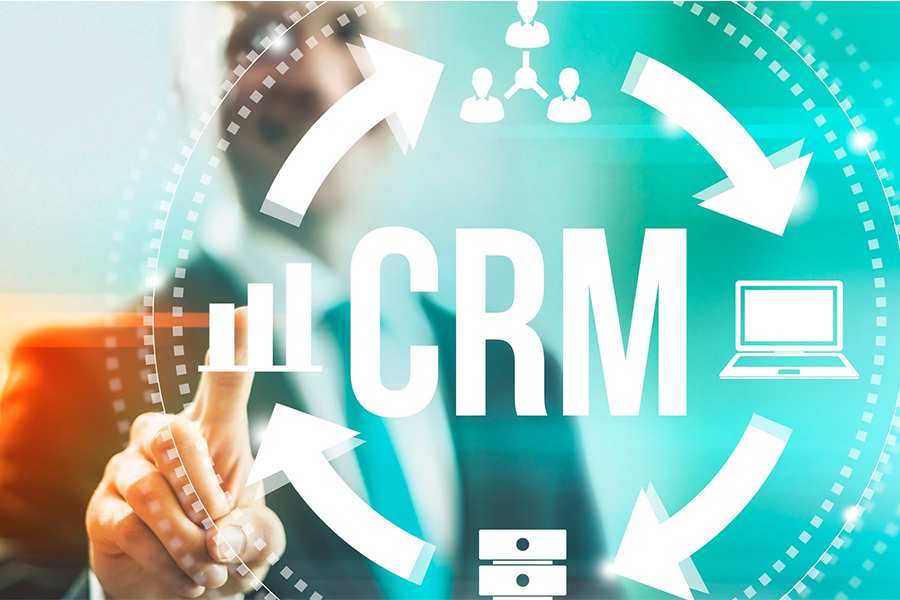
One of the biggest benefits of a CRM is automation. You can create workflows that guide you through each stage of the client journey. This might include inquiry received, quote sent, follow up due, booking confirmed, final payment reminder, and post trip check in.
Automated reminders prevent missed deadlines and reduce mental load. Instead of remembering everything, you rely on the system. This is especially useful when managing multiple bookings at once.
Some CRMs also allow automated emails for confirmations, reminders, and follow ups. These messages maintain communication even when you are busy, without feeling impersonal.
Improving follow ups and repeat business
CRMs are powerful tools for increasing repeat bookings. By tracking past trips and travel dates, you can follow up at the right time with relevant suggestions. For example, if a client travels every summer, your CRM can remind you to reach out months in advance.
You can also segment clients by travel type, such as cruises, family travel, or luxury trips. This allows targeted communication instead of generic messages. Clients feel understood, which strengthens loyalty.
Post trip follow ups logged in your CRM also help identify what worked and what did not. This feedback improves future recommendations and service quality.
Keeping your CRM simple and consistent

A common mistake is choosing an overly complex CRM and not using it consistently. Start simple. Use core features first, then expand as needed. The best CRM is the one you actually use every day.
Make updating the CRM part of your routine. After every call, booking, or email exchange, add notes. This habit pays off quickly and prevents information gaps.
Conclusion
Using a CRM effectively transforms how travel professionals manage clients. It improves organization, reduces errors, strengthens relationships, and supports long term growth. Whether you are solo or part of a larger agency, a well used CRM allows you to deliver professional, personalized service at scale. When your system works for you, managing travel clients becomes smoother, calmer, and far more profitable.