Satellite internet is one of the most practical connectivity options for areas where traditional broadband is difficult or impossible to install. In remote villages, farms, construction sites, islands, mountain regions, and mobile work locations, access to cable or fiber networks may be limited, expensive, or completely unavailable. This is where satellite technology becomes valuable, because it can deliver internet access without depending on extensive ground infrastructure.
For people who live or work in hard to reach places, reliable connectivity is no longer a luxury. It supports communication, online work, education, emergency updates, business operations, and everyday digital tasks. Choosing the right solution can make remote living or working much more convenient and productive.
Reliable Coverage Where Ground Networks Are Limited

The main advantage of satellite internet is its ability to reach locations that standard providers often cannot serve. Instead of relying on nearby cables or mobile towers, satellite systems connect through equipment that communicates with satellites above the Earth. This makes it possible to access the internet in places where building traditional infrastructure would be too difficult or costly.
When comparing options, many users also want to discover secure network ISP providers that can offer dependable service, stable connections, and suitable plans for remote environments. Security and reliability are especially important for businesses, remote workers, and households that depend on internet access every day.
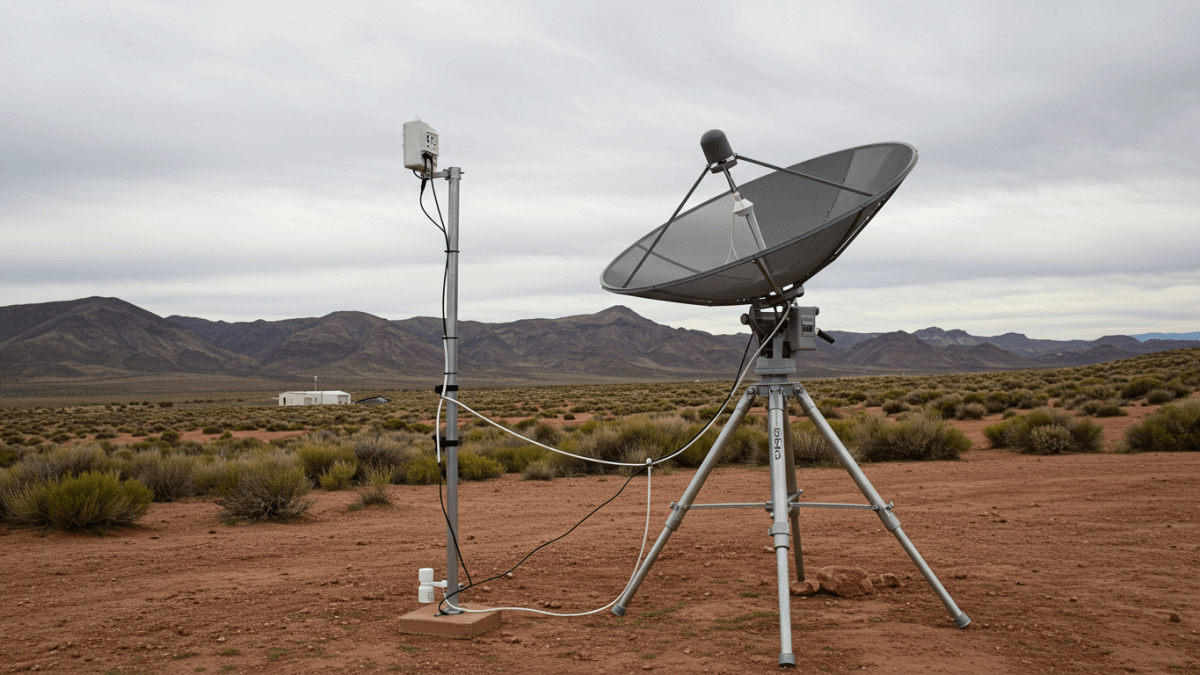
Satellite internet is useful for rural homes, mining operations, agricultural properties, disaster response teams, and temporary sites. As long as the equipment has a clear view of the sky and proper power supply, users can often get connected even in isolated areas.
Flexible Setup for Homes, Travel, and Work Sites

Another reason satellite internet is useful is its flexibility. Some systems are designed for permanent installation at a home or business, while others are suitable for mobile or temporary use. This makes satellite connectivity helpful for people who travel in caravans, work on remote projects, or need internet at changing locations.
For fixed locations, a properly installed satellite dish can provide consistent daily access for browsing, video calls, online learning, and business communication. For mobile users, portable equipment can make it easier to stay connected while moving between campsites, rural worksites, or off-grid destinations.
This flexibility is particularly valuable when projects are temporary. Construction teams, event organizers, field researchers, and emergency crews may need internet access for only a limited time. Satellite internet can provide a practical solution without waiting for permanent infrastructure to be built.
Supports Communication, Safety, and Productivity
In hard to reach places, internet access is not only about convenience. It can also support safety and essential communication. Being able to check weather updates, contact emergency services, use navigation tools, or communicate with family and colleagues can make a major difference in remote areas.
Satellite internet also helps businesses remain productive. Teams can send reports, access cloud platforms, manage equipment, process orders, and communicate with clients even when working far from urban centers. For rural businesses, this can improve efficiency and reduce delays caused by poor connectivity.
There are still factors to consider, such as equipment cost, weather impact, latency, and data usage. However, for many remote users, the benefits outweigh the limitations. With the right plan and setup, satellite internet can provide a strong connection where other options fall short.
Conclusion
Satellite internet is useful in hard to reach places because it provides coverage, flexibility, and practical access where traditional networks may not be available. It supports homes, businesses, travelers, and remote teams by making communication and online tasks possible in isolated locations. By choosing suitable equipment, checking service quality, and understanding usage needs, users can create a more reliable connection and enjoy greater independence wherever they are.